A clean bathroom can make your entire home feel fresher and more comfortable. While regular bathroom cleaning helps maintain the space, deep cleaning a bathroom requires extra attention to areas where soap scum, mineral buildup, grime, and dirt can accumulate.
Whether you are preparing for guests, moving into a new home, or simply want a fresh and hygienic bathroom, following a professional style bathroom deep cleaning routine can make a noticeable difference.
What Is Bathroom Deep Cleaning?
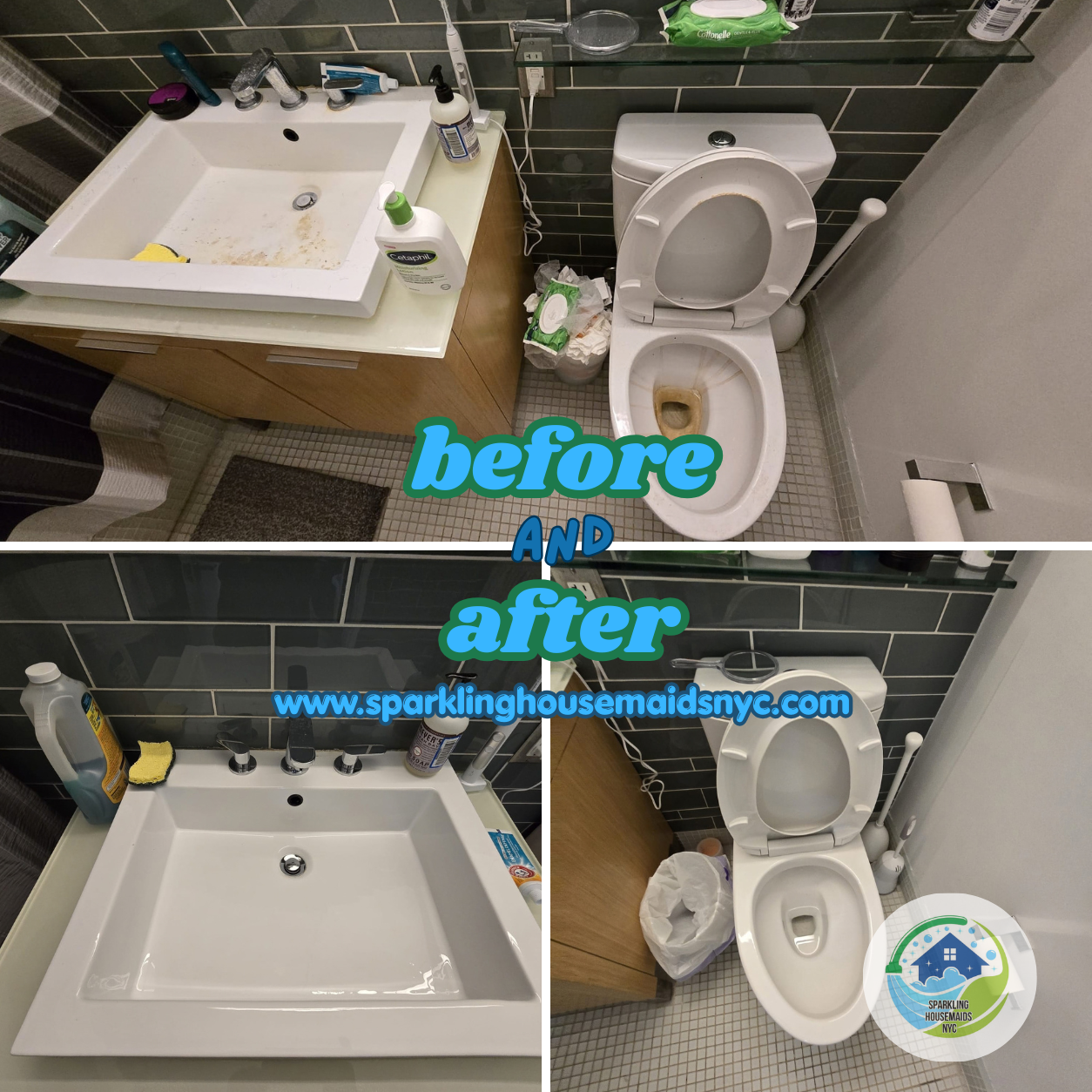
Bathroom deep cleaning goes beyond wiping visible surfaces. It involves thoroughly cleaning the toilet, shower, bathtub, sink, countertops, mirrors, floors, fixtures, and frequently touched surfaces.
The goal is to remove accumulated dirt and buildup while leaving the bathroom fresh and well maintained.
Bathroom Deep Cleaning Supplies
Before you start, gather the appropriate supplies:
Microfiber cleaning cloths
Bathroom cleaner
Scrub brush
Non-abrasive sponge
Toilet brush
Glass or mirror cleaner
Mop
Vacuum or broom
Cleaning gloves
Appropriate disinfectant
Bucket and clean water
Always choose products that are suitable for the surface you are cleaning and follow the manufacturer's instructions.
Step 1: Remove Clutter
Start by removing toiletries, towels, trash, bath mats, and other items from the bathroom.
A clear bathroom gives you better access to countertops, floors, shelves, and other surfaces. Wash or replace towels and bath mats as needed.
Step 2: Dust and Remove Loose Dirt
Before using liquid cleaners, remove loose dust and hair from the bathroom.
Dust light fixtures, vents, shelves, corners, baseboards, and other areas where dust collects. Sweep or vacuum the floor before mopping.
Starting with dry debris helps prevent dirt from turning into wet grime during the cleaning process.
Step 3: Deep Clean the Shower and Bathtub
The shower and bathtub often require extra attention because soap residue, body oils, and mineral deposits can accumulate over time.
Apply a suitable bathroom cleaner to the appropriate surfaces and allow it to work according to the product instructions. Scrub shower walls, bathtub surfaces, fixtures, corners, and other areas where buildup is visible.
For delicate materials such as natural stone, always use a product specifically recommended for that surface.
Step 4: Clean the Shower Doors and Glass
Glass shower doors can develop water spots and soap residue.
Use an appropriate glass or bathroom cleaner and a microfiber cloth or non abrasive sponge. Clean the entire surface and dry it afterward to help prevent streaks.
For regular maintenance, wiping down shower surfaces after use can help reduce the accumulation of water and soap residue.
Step 5: Deep Clean the Sink and Countertop
Remove everything from the bathroom countertop and clean the surface thoroughly.
Pay special attention to:
Around the faucet
Faucet handles
Sink basin
Drain area
Countertop edges
Backsplash
Areas behind toiletries
Clean the surface first. If disinfection is needed, use an appropriate disinfectant according to its label instructions.
Step 6: Clean the Toilet Thoroughly
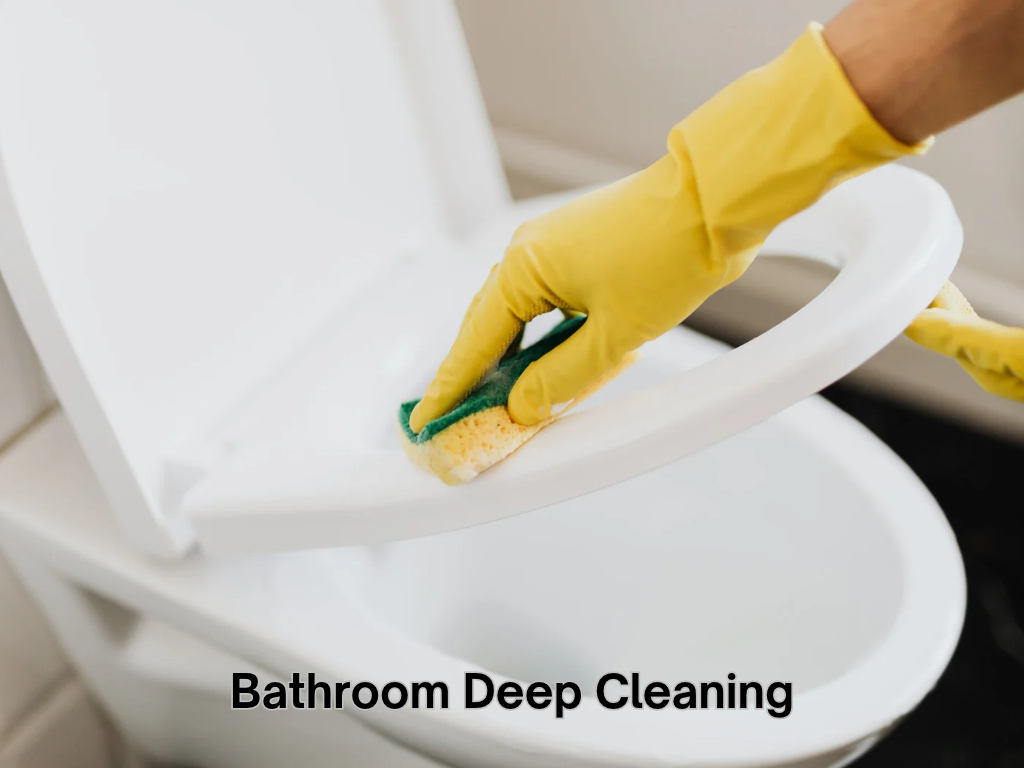
Apply an appropriate toilet cleaner inside the bowl and follow the product directions.
Clean the toilet seat, lid, exterior, base, flush handle, and surrounding area. These frequently touched areas should receive regular attention.
After cleaning, wash your hands thoroughly. For disinfectants, follow the product label regarding application and required contact time.
Step 7: Clean Mirrors and Fixtures
Clean bathroom mirrors using a suitable glass cleaner and a clean microfiber cloth.
Polish faucets and other fixtures with a product appropriate for the material. Avoid abrasive products that could scratch or damage finishes.
Step 8: Clean High-Touch Surfaces
Do not forget the small surfaces that are frequently touched.
These can include:
Door handles
Light switches
Faucet handles
Cabinet handles
Toilet flush handles
Shower controls
Step 9: Deep Clean the Bathroom Floor
After cleaning the other areas, finish with the floor.
Vacuum or sweep first to remove hair and loose dirt. Then mop using a suitable floor cleaning product.
Pay particular attention to corners, behind the toilet, around the vanity, and along baseboards.
Step 10: Ventilate and Let Surfaces Dry
Good ventilation is important when using cleaning products. Open doors or windows where appropriate and use the bathroom exhaust fan if available.
How Often Should You Deep Clean a Bathroom?
The ideal cleaning schedule depends on how frequently the bathroom is used and the needs of the household.
Regular cleaning can help prevent buildup, while a deeper cleaning can be scheduled when the bathroom needs extra attention. High touch surfaces should be cleaned regularly, while other surfaces can be cleaned when visibly dirty or as needed.
When to Hire a Professional Bathroom Cleaning Service
Some bathrooms require more time and effort than a regular cleaning routine allows. Professional cleaners can provide detailed cleaning for bathrooms with heavy buildup, move-in or move-out situations, busy households, or homes that need a more thorough cleaning.
A professional deep cleaning service can help save time while giving homeowners a structured and detailed approach to cleaning hard to reach areas.
Final Thoughts
Learning how to deep clean a bathroom like a professional starts with using the right supplies, cleaning in an organized order, paying attention to high touch and hard to reach areas, and following product safety instructions.
For the best results, clean surfaces before disinfecting when disinfection is appropriate, never mix cleaning chemicals, and always follow the instructions on product labels.
